











على أصدقاء أمريكا أن يساعدوها للخروج من حرب غير مشروعة
حرب غير مشروعة
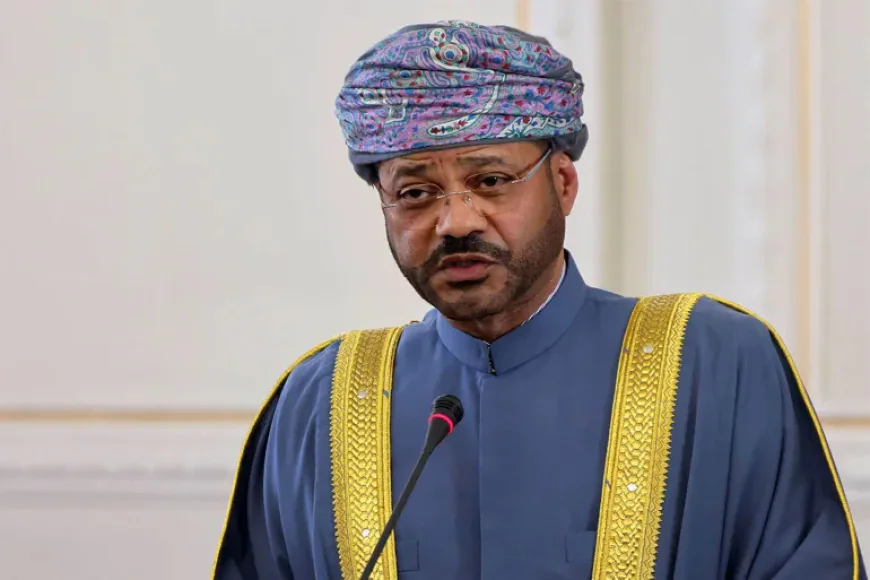

بقلم بدر البوسعيدي - وزير خارجية عُمان
القوة العظمى فقدت السيطرة على سياستها الخارجية
مرّتان خلال تسعة أشهر، اقتربت الولايات المتحدة وإيران من التوصل إلى اتفاق حقيقي بشأن أكثر القضايا تعقيدًا التي تفصل بينهما: برنامج إيران للطاقة النووية والمخاوف الأمريكية من تحوّله إلى برنامج تسلّحي. لذلك، لم يكن مستغربًا، وإن كان صادمًا، أنه في 28 فبراير—بعد ساعات قليلة فقط من أحدث وأعمق جولة من المحادثات—شنت إسرائيل والولايات المتحدة مجددًا ضربة عسكرية غير مشروعة ضد فرصة سلام بدت ممكنة بالفعل ولو لفترة وجيزة.
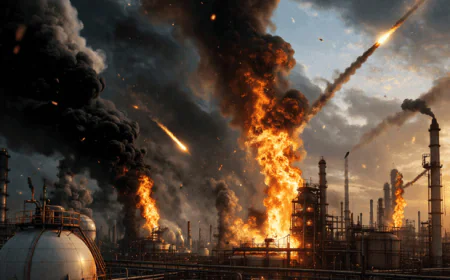
وجاء رد إيران، باستهداف ما وصفته بـأهداف أمريكية على أراضي دول مجاورة، نتيجة حتمية—وإن كانت مؤسفة للغاية وغير مقبولة بالكامل. ففي مواجهة ما وصفته كل من إسرائيل والولايات المتحدة بأنه حرب تهدف إلى إنهاء الجمهورية الإسلامية، ربما كان هذا الخيار الأكثر عقلانية المتاح أمام القيادة الإيرانية.
تداعيات الخليج
تتجلى آثار هذا التصعيد بشكل أشد في الجانب الجنوبي من الخليج، حيث بدأت الدول العربية التي كانت تعتمد على التعاون الأمني الأمريكي تشعر بأن هذا التعاون تحول إلى مكمن ضعف خطير، يهدد أمنها الراهن وازدهارها المستقبلي.
اقتصاد مهدد
بالنسبة لدول الخليج، فإن النموذج الاقتصادي الذي يقوم على الرياضة العالمية، والسياحة، والطيران، والتكنولوجيا بات مهددًا. كما قد تحتاج الخطط الرامية إلى التحول إلى مراكز عالمية للبيانات إلى إعادة نظر.
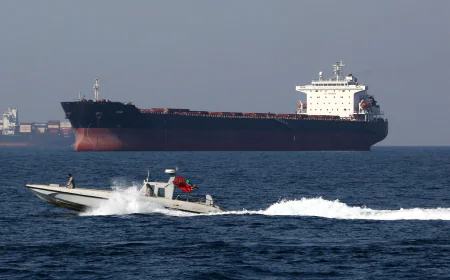
وقد بدأت آثار الرد الإيراني تظهر عالميًا بالفعل، إذ يشهد حركة الملاحة عبر مضيق هرمز اضطرابًا شديدًا، ما أدى إلى ارتفاع أسعار الطاقة وتهديد الاقتصاد العالمي بركود عميق. وإذا لم يكن مخططو هذه الحرب قد توقعوا ذلك، فإن هذا يمثل سوء تقدير جسيمًا.
حسابات خاطئة
أكبر أخطاء الإدارة الأمريكية كان، بلا شك، الانجرار إلى هذه الحرب منذ البداية. فهذه ليست حرب الولايات المتحدة، ولا يوجد سيناريو مرجّح يحقق فيه كل من إسرائيل وأمريكا أهدافهما منها.
ومن المأمول أن يكون التزام الولايات المتحدة بـتغيير النظام مجرد خطاب سياسي، في حين تسعى إسرائيل صراحةً إلى إسقاط الجمهورية الإسلامية، دون اكتراث يُذكر بكيفية حكم البلاد أو بمن سيتولى ذلك لاحقًا.
رهانات إسرائيل
يبدو أن القيادة الإسرائيلية أقنعت الولايات المتحدة بأن إيران قد أُضعفت إلى حد كبير بفعل العقوبات والانقسامات الداخلية، فضلًا عن القصف الأمريكي-الإسرائيلي لمواقعها النووية في يونيو الماضي، بحيث يمكن أن يؤدي الهجوم الأولي واغتيال المرشد الأعلى إلى استسلام غير مشروط سريعًا.
غير أن الواقع يشير إلى أن تحقيق إسرائيل لهدفها المعلن سيتطلب حملة عسكرية طويلة، قد تضطر الولايات المتحدة خلالها إلى نشر قوات برية، ما يعني فتح جبهة جديدة في حروب لا تنتهي سبق أن تعهّد الرئيس دونالد ترامب بإنهائها. وهذا ليس ما تريده الحكومة الأمريكية، ولا ما يريده شعبها، الذي لا يرى في هذه الحرب حربه.
سؤال الأصدقاء
السؤال المطروح أمام أصدقاء الولايات المتحدة بسيط: كيف يمكن مساعدتها على الخروج من هذا التشابك غير المرغوب فيه؟
أولًا، تقع على عاتق الأصدقاء مسؤولية قول الحقيقة، والتي تبدأ بالإقرار بأن طرفي هذه الحرب لا يملكان ما يكسبانه منها، وأن المصلحة الوطنية لكل من إيران والولايات المتحدة تكمن في إنهاء الأعمال العدائية بأسرع وقت ممكن.
قد تكون هذه حقيقة غير مريحة، لأنها تعني الإشارة إلى مدى فقدان الولايات المتحدة السيطرة على سياستها الخارجية، لكنها حقيقة لا بد من قولها.
مصالح مشتركة
على القيادة الأمريكية أن تحدد بدقة أين تكمن مصالحها الوطنية، وأن تتصرف بناءً على ذلك. ويشير تقييم موضوعي إلى أن هذه المصالح تشمل:
-
إنهاء حاسم ونهائي لـانتشار الأسلحة النووية في المنطقة
-
تأمين سلاسل إمدادات الطاقة
-
تعزيز فرص الاستثمار في ظل الأهمية الاقتصادية المتزايدة للمنطقة عالميًا
ويمكن تحقيق هذه الأهداف بشكل أفضل في ظل علاقات سلمية بين إيران وجيرانها، وهي أهداف يمكن اعتبارها مشتركة بين جميع دول الخليج.
طريق العودة
قد يكون من الصعب على الولايات المتحدة العودة إلى المفاوضات الثنائية التي انحرفت عنها مرتين بفعل إغراءات الحرب. كما سيكون من الصعب على القيادة الإيرانية استئناف الحوار مع إدارة انتقلت فجأة من التفاوض إلى القصف والاغتيال.
ومع ذلك، فإن الطريق للخروج من الحرب—رغم صعوبته—قد يمر حتمًا عبر استئناف هذه المفاوضات.
أفق الطاقة
تحتاج الأطراف إلى حافز قوي يدفعها إلى التحلي بالشجاعة والعودة إلى طاولة الحوار. ويمكن تحقيق ذلك من خلال ربط المفاوضات الثنائية بعملية إقليمية أوسع، تهدف إلى وضع إطار للشفافية في مجال الطاقة النووية، بل وفي تحول الطاقة بشكل عام في المنطقة.
ومع توجه دول المنطقة نحو مستقبل ما بعد الكربون، فإن الابتكار والتنمية الآمنة قد يعتمدان على اتفاق أساسي حول دور التقنيات النووية.
صفقة إقليمية
هل يمكن أن يشكل هذا الهدف حافزًا كافيًا لجميع الأطراف لتحمّل صعوبات الحوار؟ ربما. وهو مقترح يمكن لسلطنة عُمان وشركائها في مجلس التعاون الخليجي طرحه.
وقد تقود محادثات أولية إلى إجراءات بناء الثقة، وصولًا إلى توافق حول دور الطاقة النووية في مرحلة التحول الطاقي.
أما الهدف النهائي، فيظل من الصعب تحديده—خصوصًا في ظل الحرب—لكن قد يكون من الممكن، في إطار معاهدة إقليمية لعدم الاعتداء، التوصل إلى اتفاق إقليمي جوهري بشأن الشفافية النووية.
بدر البوسعيدي هو وزير خارجية سلطنة عُمان، وقد لعب دور الوسيط في أحدث جولات المفاوضات النووية بين الولايات المتحدة وإيران.
المصدر - صحيفة الإيكونوميست البريطانية
America’s friends must help extricate it from an unlawful war
The superpower has lost control of its foreign policy, writes Badr Albusaidi, Oman’s chief diplomat
TWICE IN NINE months the United States and Iran have been on the verge of a real deal on the most difficult issue that divides them: Iran’s nuclear-energy programme and American fears that it could be a weapons programme. So it was a shock but not a surprise when on February 28th—just a few hours after the latest and most substantive talks—Israel and America again launched an unlawful military strike against the peace that had briefly appeared really possible.
Iran’s retaliation against what it claims are American targets on the territory of its neighbours was an inevitable, if deeply regrettable and completely unacceptable, result. Faced with what both Israel and America described as a war designed to terminate the Islamic Republic, this was probably the only rational option available to the Iranian leadership.
Listen to this story
AI Narrated
TWICE IN NINE months the United States and Iran have been on the verge of a real deal on the most difficult issue that divides them: Iran’s nuclear-energy programme and American fears that it could be a weapons programme. So it was a shock but not a surprise when on February 28th—just a few hours after the latest and most substantive talks—Israel and America again launched an unlawful military strike against the peace that had briefly appeared really possible.
Iran’s retaliation against what it claims are American targets on the territory of its neighbours was an inevitable, if deeply regrettable and completely unacceptable, result. Faced with what both Israel and America described as a war designed to terminate the Islamic Republic, this was probably the only rational option available to the Iranian leadership.
The effects of this retaliation are felt most acutely on the southern side of the Gulf, where Arab countries that had placed their trust in American security co-operation now experience that co-operation as an acute vulnerability, threatening their present security and future prosperity.
For Gulf states an economic model in which global sport, tourism, aviation and technology were to play an important role is now endangered. Plans to become a global hub for data centres may need to be revised. The effects of Iran’s retaliation are already being felt globally, as maritime traffic through the Strait of Hormuz is severely disrupted, driving up energy prices and threatening deep recession. If this had not been anticipated by the architects of this war, that was surely a grave miscalculation.
The American administration’s greatest miscalculation, of course, was allowing itself to be drawn into this war in the first place. This is not America’s war, and there is no likely scenario in which both Israel and America will get what they want from it. Hopefully America’s commitment to regime change is just rhetorical, whereas Israel explicitly seeks the overthrow of the Islamic Republic and probably cares little about how the country is governed, or by whom, once this has been achieved.
With this objective in mind Israel’s leadership seems to have persuaded America that Iran had been so weakened by sanctions, internal divisions and the American-Israeli bombings of its nuclear sites last June, that an unconditional surrender would swiftly follow the initial assault and the assassination of the supreme leader. But it should now be clear that for Israel to achieve its stated objective will require a long military campaign to which America would have to commit troops on the ground, opening a new front in the forever wars which President Donald Trump previously vowed to end. This is not what America’s government wants. Nor do its people, who certainly do not see this as their war.
Listen to this story
AI Narrated
TWICE IN NINE months the United States and Iran have been on the verge of a real deal on the most difficult issue that divides them: Iran’s nuclear-energy programme and American fears that it could be a weapons programme. So it was a shock but not a surprise when on February 28th—just a few hours after the latest and most substantive talks—Israel and America again launched an unlawful military strike against the peace that had briefly appeared really possible.
Iran’s retaliation against what it claims are American targets on the territory of its neighbours was an inevitable, if deeply regrettable and completely unacceptable, result. Faced with what both Israel and America described as a war designed to terminate the Islamic Republic, this was probably the only rational option available to the Iranian leadership.
The effects of this retaliation are felt most acutely on the southern side of the Gulf, where Arab countries that had placed their trust in American security co-operation now experience that co-operation as an acute vulnerability, threatening their present security and future prosperity.
For Gulf states an economic model in which global sport, tourism, aviation and technology were to play an important role is now endangered. Plans to become a global hub for data centres may need to be revised. The effects of Iran’s retaliation are already being felt globally, as maritime traffic through the Strait of Hormuz is severely disrupted, driving up energy prices and threatening deep recession. If this had not been anticipated by the architects of this war, that was surely a grave miscalculation.
The American administration’s greatest miscalculation, of course, was allowing itself to be drawn into this war in the first place. This is not America’s war, and there is no likely scenario in which both Israel and America will get what they want from it. Hopefully America’s commitment to regime change is just rhetorical, whereas Israel explicitly seeks the overthrow of the Islamic Republic and probably cares little about how the country is governed, or by whom, once this has been achieved.
With this objective in mind Israel’s leadership seems to have persuaded America that Iran had been so weakened by sanctions, internal divisions and the American-Israeli bombings of its nuclear sites last June, that an unconditional surrender would swiftly follow the initial assault and the assassination of the supreme leader. But it should now be clear that for Israel to achieve its stated objective will require a long military campaign to which America would have to commit troops on the ground, opening a new front in the forever wars which President Donald Trump previously vowed to end. This is not what America’s government wants. Nor do its people, who certainly do not see this as their war.
The question for friends of America is simple. What can we do to extricate the superpower from this unwanted entanglement? First of all, America’s friends have a responsibility to tell the truth. That begins with the fact that there are two parties to this war who have nothing to gain from it, and that the national interests of both Iran and America lie in the earliest possible end to hostilities. This is an uncomfortable truth to tell, because it involves indicating the extent to which America has lost control of its own foreign policy. But it must be told.
The leadership of the United States will then need to decide where its national interests really lie, and act accordingly. A sober assessment of those interests would indicate that they must include a definitive and decisive end to nuclear-weapons proliferation in the region, secure energy supply chains and renewed investment opportunities in the context of the region’s growing global economic significance. All of these would be best achieved with Iran at peace with its neighbours. They can perhaps be identified as shared objectives for all the countries of the Gulf. How to get there from today’s catastrophe is the challenge.
It may be difficult for America to return to the bilateral negotiations from which it was twice diverted by the temptations of war. It will certainly be difficult for the Iranian leadership to return to dialogue with an administration that twice switched abruptly from talks to bombing and assassination. But the path away from war, hard though it may be for both parties to follow it, may have to lie through precisely this resumption.
Envisaging positive energy
The parties need an incentive to summon the necessary courage to engage once again. This could be provided by linking the bilateral negotiations essential to resolving the core American-Iranian issue to a wider regional process, designed to achieve a framework for transparency on nuclear energy—and the energy transition more broadly—in the region. As all the countries of the region look towards their shared post-carbon future, secure innovation and development may depend upon some basic agreement on the role nuclear technologies will play.
Could this offer a prize large enough for all the main players to willingly endure the difficulties of dialogue to win it together? It is certainly something Oman and its Gulf Co-operation Council neighbours can propose. Some initial talks could lead over time to confidence-building measures and a consensus around the role nuclear energy should play in the energy transition. The ultimate destination of such a process is, of course, impossible to determine, especially in the middle of a war. But might it be possible, perhaps in the context of a regional non-aggression treaty, to secure a substantive regional deal on nuclear transparency?
Badr Albusaidi is the foreign minister of Oman. He mediated the most recent nuclear talks between America and Iran.
ما هو رد فعلك؟
 أعجبني
0
أعجبني
0
 لم يعجبني
0
لم يعجبني
0
 أحببته
0
أحببته
0
 مضحك
0
مضحك
0
 غاضب
0
غاضب
0
 حزين
0
حزين
0
 رائع
0
رائع
0